The Great Crossover
Artists and Their Unrelenting Desire to Appeal to the US

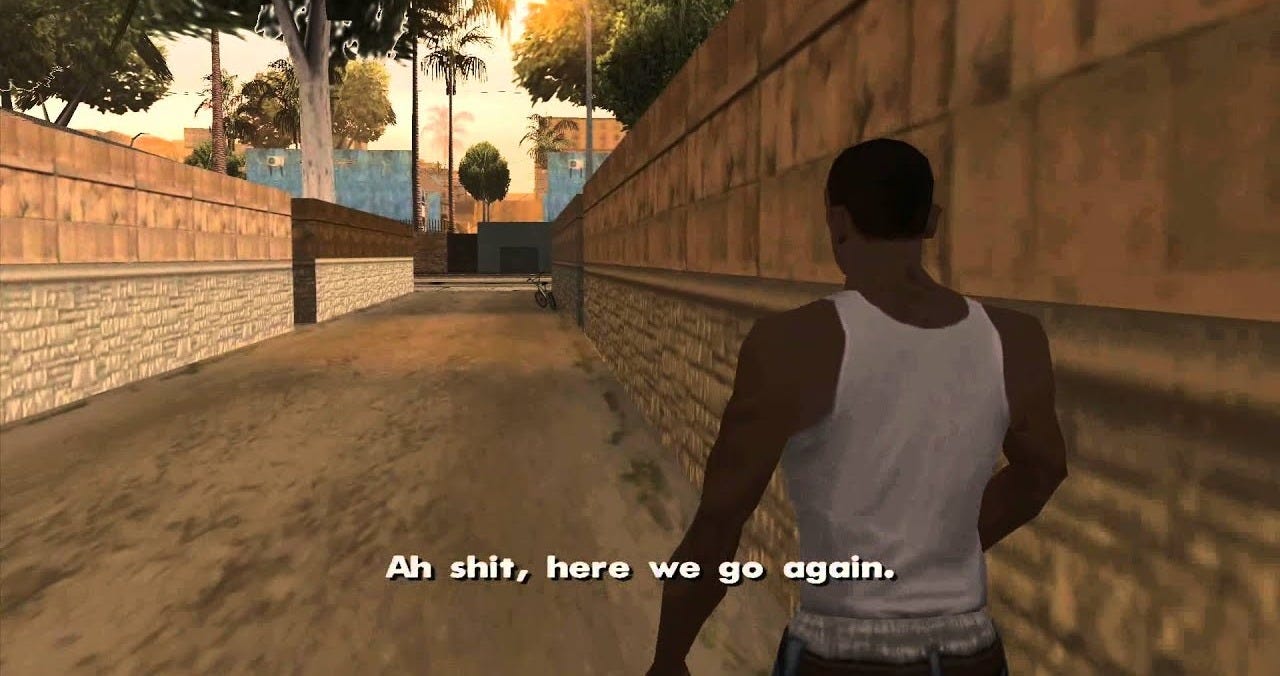
I was around eight years old when Grand Theft Auto: San Andreas came out. I remember one of my friends had a PSP (PlayStation Portable), and man, it was the future. We would all gather around him during recess and bask in the glory that was the early stages of mobile gaming. I had to have it.
Of course, my mother wasn’t keen on the idea. Her little girl, blowing up cars and terrorizing innocent bystanders on the streets of Los Santos? Perish the thought.
Yet, she couldn’t watch me all the time, and my uncles had a PlayStation 2. This game changed the trajectory of my life. Its soundtrack gave me my first taste of sonic autonomy.
If you aren’t familiar with the game, it’s kind of the first open-world, story- and mission-driven gameplay of its kind. It was also one of the first to integrate a soundtrack, radio style, in the way that it did. Because players had to spend extensive time “driving” from mission to mission, you had a choice of radio stations to underscore your travels. My first ten minutes into San Andreas, I heard it: “Here I Come” by Barrington Levy. Arguably, the godfather of Dancehall and the beginning of my obsession with Reggae. “Here I Come” didn’t make waves in the US, but it did spend four weeks on the UK Singles Chart post-release.
Crossover can mean lots of things. It can speak to genres, fanbases, and literal bodies of water. In the modern sense, it’s usually discussed as a way to frame an artist’s global reach.
The real crossover Reggae pioneer, Bob Marley, for example, released Rastaman Vibration in 1976, preceding Levy by about nine years. On the Billboard chart, it peaked at #8. Marley is often credited with opening the doors to the US market for Reggae albums, following a string of successful singles by other acts, such as Desmond Dekker's “Israelites” and Jimmy Cliff's “The Harder They Come”. Later, artists like Barrington Levy and Buju Banton also gained recognition.
Reggae wasn’t the first crossover genre to make appearances on Billboard, but for my life, it was the most sentimental. My father wasn’t the most… involved. But the man did love his Reggae music. Maybe that’s why I take crossover artists so personally. Specifically, where I see untapped potential, like in the Afrobeats market.
The US market has been a staple of success for generations for a number of reasons. First, it’s got lots of domestic companies ripe for the picking. Second, for many years, we housed the biggest labels and distribution arms of the industry. Lastly, the tour market is massive. For years, international artists made it a goal to break into the US. It was a verifiable indication of one’s star power.
Labels are acting like this is still the case. I beg to differ.
A vast majority of gross sales are coming from international markets. More and more, these homegrown superstars are opting for independent deals and major-label distribution. Though the US is still massively appealing for bragging rights, it’s no longer a prerequisite for international artists to secure brand partnerships, major-label distribution, or touring agreements.
You can understand my frustration when I hear people ripping artists for their lack of traction and sales in the US. Forgive me. But who fucking cares?
Take Tyla, for example. She’s said some insensitive things. I won’t make excuses for that. Her four-song EP seemed to fall out of the sky after the uninspired commercial performance of “Bliss.” She was in the headlines the next week for very poor debut sales figures. Less than 4,000 units. Some people argue that using unit sales as a benchmark for success is outdated in the streaming era, but the reality is, it’s the content outlets that are running with it. Despite her streams telling a different story, nobody is driving the bus amidst all the media turmoil.
I like Tyla, save for her comments. Like my time playing San Andreas, I found her by accident, and it resonated with me. I likely wouldn’t have felt the same level of intimacy had my first encounter been watching that Coca-Cola commercial.
If you’re looking to make a successful crossover, coming in first isn’t always an enviable spot because there’s no blueprint. A lot of it is timing, which, to be fair, isn’t always in your immediate control. Audiences take years to catch on. That’s why you have to be methodical.
Take Bad Bunny as an example. Rimas Entertainment has been his home since his debut. The label embraced all of his eras, and he’s paid them back tenfold by choosing to stay with them rather than sign a more lucrative deal with a major. At this point in his career, he’s focused on his core fanbase and making a statement with his residency in Puerto Rico. It’s the inverse of what Tyla’s team is doing. In patience, execution, and intention. For me, that was their biggest pitfall. They were hyper-focused on capturing momentum instead of deliberately building it.
The point is, you don’t need the US market like you used to. Crossover is just a different growth strategy, and if you aren’t approaching it with that context in mind, you’re setting your artist up for failure.
If it’s me, I say, fuck the US market. We can do a collab here and there to make sure you’ve got a pulse, but let’s focus on making something our core fan base will like. You can’t rush sustainability. Nothing is a bigger turnoff than numbers that fall off a cliff.
We may get another Tyla hit before we get the new Grand Theft Auto game. I’m sure they will implement the same station strategy of old and introduce the next generation to a lot of different music. I’m just hoping there’s some Afrobeats. Because Rema has been poised for a breakthrough, and I want younger players to be taken to bliss, like I was with Barrington.